



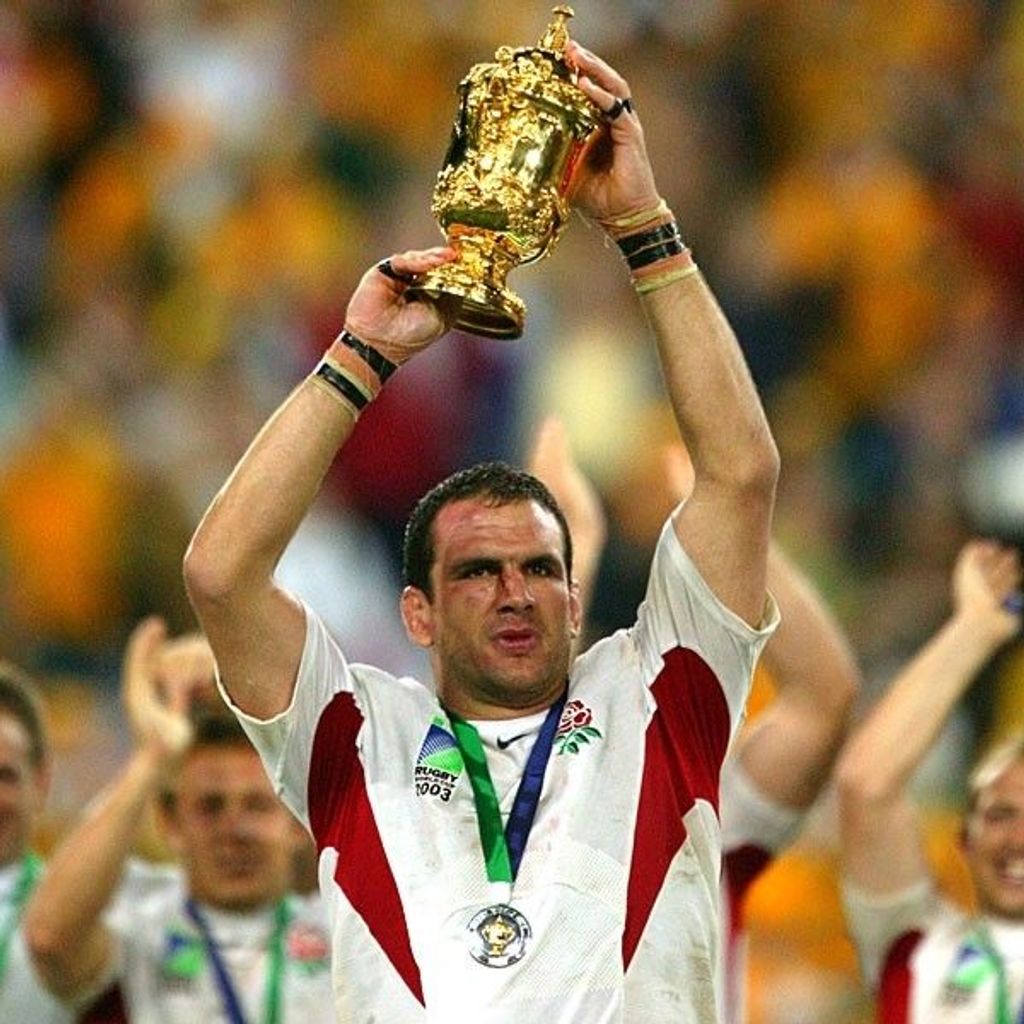
Only the second Rugby World Cup to be held in one country, the first tournament of the 21st Century lived up to all expectations as 10 cities across Australia welcomed fans from around the globe for 48 matches in 44 days.
A record 1,837,547 people passed through the turnstiles as the hosts attempted to become the first to successfully defend the title, although it was England and New Zealand who were the pre-tournament favourites.
Australia, runners up France, beaten semi finalists New Zealand and South Africa, together with England, Argentina, Scotland and Wales as losing quarter finalists in 1999 all qualified automatically for Rugby World Cup 2003.
A record 80 nations from five continents were involved in the qualification process to fill the remaining 12 spots, which were ultimately taken by Ireland, Canada, Fiji, Samoa, Italy, Namibia, Uruguay, Romania, Georgia, Japan, Tonga and USA.
Georgia were the only debutants among these qualifiers and, while they returned home without a victory, they won the hearts of the Australian public for their determination with their only try – against South Africa – rewarded by a huge cheer.
Tight encounters
Three other nations – Namibia, Japan and Tonga – also failed to record a win with the former suffering the heaviest loss with a 142-0 defeat by Australia in Adelaide, the biggest ever winning margin in Rugby World Cup history.
However while nearly a third of matches were won by 40 points or more, there were also close encounters with three settled by a single point, Ireland experiencing both sides in beating Argentina 16-15 and then losing to Australia 17-16 in Pool A.
That defeat ultimately ended Argentina’s hopes of reaching the knockout phase with Australia and Ireland progressing to the quarter finals, where they would be joined by France, Scotland, England, South Africa, New Zealand and Wales.
Scotland had only scraped into the last eight as Pool B runners up with a tense 22-20 defeat of Fiji, while England were given a huge scare by Samoa in Pool C with their superior fitness ultimately telling as they recovered to win 35-22 in Melbourne.
On top of the world
England were given another almighty scare in their quarter final with Wales, the half time introduction of Mike Catt and Jonny Wilkinson’s trusty boot seeing them home 28-17 to set up a semi final with France, the 43-21 conquerors of Ireland.
The semi final was more straightforward, France failing to adapt as well as England to the pouring rain in Sydney and Wilkinson kicked all the points in a 24-7 victory – one that saw Jason Leonard surpass Philippe Sella as the world’s most capped player.
Australia had already booked their place in the final with a 22-10 defeat of New Zealand the day before, maintaining their record of never having lost to the All Blacks in a World Cup and becoming the first defending champions to reach a final.
The Wallabies enjoyed the perfect start before a World Cup record crowd of 82,957 at Telstra Stadium with Lote Tuqiri scoring the opening try after only six minutes, but history wasn’t on their side with the team scoring first having lost the two previous finals.
Worth waiting for
It looked ominous for Australia when they trailed 14-5 at half time and 14-11 with a minute left … that was until Elton Flatley’s penalty necessitated extra time for only the second time in a World Cup final.
The sides were locked at 17-17 with a minute remaining. A penalty shootout loomed until Matt Dawson flung the ball back for Wilkinson to kick the match-winning drop goal and 30 seconds later England were the first champions from the northern hemisphere.
The match winner took Wilkinson to 113 points for the tournament – the most in a single World Cup since Grant Fox’s 126 for New Zealand in 1987 – while the All Blacks finished with the most points [361], tries [52] and conversions [40] of any tournament.
New Zealand, though, had to settle for third place after beating France 40-13 – their dreams of a second World Cup triumph on hold for another 1,429 days, by which time the 20th anniversary of that 1987 success would have passed.
