



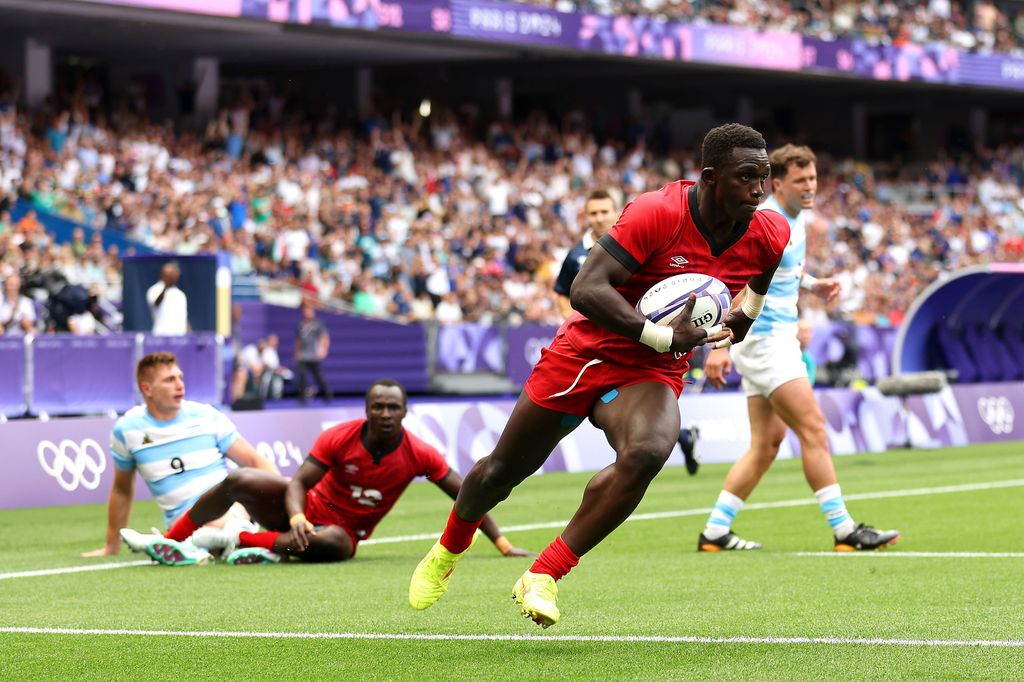
The international sevens star addressed delegates at two COP 31 events on behalf of the global Adapt2Win campaign, which uses athletes’ influence to call for greater investment in measures to tackle and adapt to climate change.
Speaking at the summit, Wekesa – who represented Kenya at the Paris 2024 Olympic Games – highlighted the work of his Play Green campaign in building climate resilience in Kenyan schools, as well as the Beyond the Bin initiative, which aims to reduce reliance on single-use plastic.
In a post on X, he spoke of the urgency of the situation: “Climate adaptation is not optional, it is an urgent necessity. At COP31 my message is clear, we must move from commitments to implementation, unlock finance and invest in locally led solutions that build resilience and protect lives and livelihoods.”
Climate adaptation is not optional, it is an urgent necessity. At COP31 my message is clear, we must move from commitments to implementation, unlock finance and invest in locally led solutions that build resilience and protect lives and livelihoods. #adapt2Win #COP31 #playgreen #rugby #sports
— Kevin Wekesa (@wekesa_kenya) November 10, 2026
Adapt2Win’s roster of rugby stars includes Wekesa’s Shujaa team-mates John Ohoth Okeyo and Samuel Asati, as well as Maxwel Omondi and Grace Adhiambo Okulu, and South African internationals Lukhanyo Am, Ox Nche and Trevor Nyakane.
World Rugby, meanwhile, has published a landmark report looking at the projected impacts of climate change on the sport of rugby in an effort to raise awareness of the issue that is already affecting the game as a whole.
READ ALSO Landmark World Rugby report: Rugby and climate change
At COP 31, representatives of the initiative including Wekesa, explained how the ongoing climate crisis is affecting safety and performance in sports at all levels.
“Climate change is not waiting for a glacier somewhere to melt. It’s already happening, and we need to advance those conversations,” Wekesa told delegates. “We need to show these examples that are already happening – they’re happening faster than the negotiations are.”
Wekesa’s concern for the planet and its future has long been recognised in rugby circles in Kenya and further afield. He has spoken before of the need to tackle climate change head-on so that young people can continue to enjoy sports, including rugby, long into the future.
Less than a month before he addressed COP 31, he was a keynote speaker at Brussels Climate Week, and was also recognised for his promotion of environmental conservation through sport at this year’s United Nations in Kenya Person of the Year awards.
Two years after it was founded, his Play Green initiative – which focuses on simple and practical environmental measures, such as tree-planting, reducing plastic waste, promoting recycling and green education – was recognised by the International Olympic Committee in February 2025 at a presentation ceremony during the Winter Olympics in Milan-Cortina.
The award recognised his efforts to reduce plastic waste in rugby and involve schools in environmental education.
Play Green was founded in 2023 after Wekesa visited a school in Kirinyaga County – in the Mount Kenya region of the country – to offer free rugby coaching, only to have to cancel the session because the pitch was dry and unplayable.
It prompted him to consider how changing weather conditions could affect young athletes and access to sporting facilities.
The initiative has planted thousands of trees, including mango and avocado varieties as well as indigenous species, providing opportunities for children to learn about conservation while potentially benefiting from food and shade.
Meanwhile, the knock-on effects of him persuading Kenya’s men’s and women’s national rugby sevens teams to replace single-use water bottles with reusable alternatives has reportedly helped eliminate approximately 1,000 disposable plastic bottles every week.
“Receiving recognition from the IOC was a huge honour,” Wekesa said later in an interview for svns.com, “but for me the bigger goal is creating long-term impact and awareness.
“My environmental work really came from seeing the effects of climate change around us, and realising sport can be a powerful platform for change.”
